Connect Core: Planets to Their Number of Moons
Test your planetary knowledge by matching solar system bodies to the number of moons they have

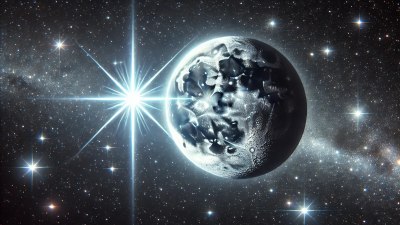
This image was created with the assistance of Freepik
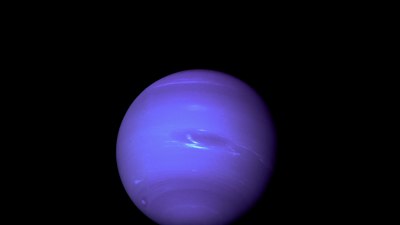
The solar system is home to a wide variety of planets and dwarf planets, each with a unique set of characteristics—especially when it comes to their moons. Some worlds are lonely, like Mercury and Venus, while others, like Saturn and Jupiter, command fleets of satellites that number in the dozens. But can you match each celestial body with the number of moons it has?
This cosmic challenge tests your ability to connect planets, dwarf planets, and notable moons with their known satellite count. It's a journey through our solar neighborhood, from the sun-scorched terrain of Mercury to the icy outliers beyond Neptune.
Moons: Messengers of the Cosmos
Moons aren’t just rocks orbiting planets—they hold secrets about planetary history, formation, and even the possibility of life. Earth’s moon influences tides and timekeeping. Jupiter’s Ganymede and Europa have become icons in the search for extraterrestrial life. And Saturn’s Titan is often seen as one of the most Earth-like bodies beyond our own planet.
Understanding the number of moons also reflects advancements in space observation. As technology improves, we discover more natural satellites—even around dwarf planets like Pluto and Eris. Some moons are larger than Mercury, while others are captured asteroids.
From the Familiar to the Far-Out
Mercury and Venus, the two planets closest to the Sun, have no moons. Earth has one—the Moon. Mars has two: Phobos and Deimos. But once you reach the gas giants, things escalate. Jupiter and Saturn top the charts with dozens upon dozens of moons, and the numbers continue to grow with new discoveries.
Even smaller bodies like Haumea, Makemake, and Ceres have surprising moon statistics, proving that size doesn’t always dictate celestial complexity.
Launch Your Knowledge
This quiz is ideal for space enthusiasts, astronomy students, and anyone who's ever looked up at the night sky with curiosity. Match each planetary name to the correct moon count and see how deeply your space knowledge runs.
It’s time to orbit the facts and connect the cosmic dots. Ready to reach for the moons?