From Ancient Myths to Modern Movies: Why Vampires Will Never Die
Why do vampires keep coming back in pop culture? Explore how ancient myths, psychology, and modern media keep reinventing these immortal icons

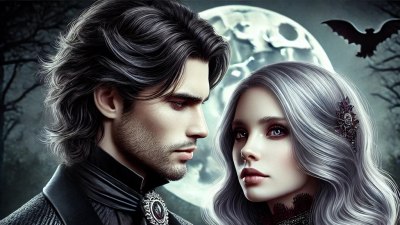
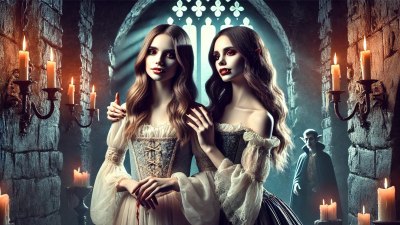
This image was created with the assistance of DALL·E
They drink blood, live forever, and look suspiciously attractive while doing it. From ancient folklore to Twilight, Dracula, The Vampire Diaries, and What We Do in the Shadows, vampires are everywhere—and they’re not going away anytime soon.
But why are we so obsessed with them? What is it about vampires that keeps them rising from the cultural grave again and again?
Let’s sink our teeth into the evolution of the vampire myth, the psychology behind their appeal, and why these seductive monsters have become eternal icons of fear, fantasy, and desire.
The Origin of the Vampire: Fear, Disease, and Death
Before they were dreamy immortals in leather jackets, vampires were terrifying creatures born from superstition.
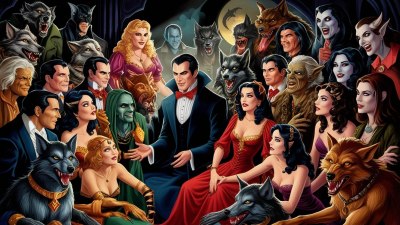
Ancient vampire-like figures appear in cultures across the globe:
- The Strigoi of Romania
- The Lamia of Greek mythology
- The Manananggal of Filipino folklore
- The Jiangshi, or hopping vampires, in Chinese legends
Many of these myths arose from a fear of death, disease, and the unexplained. People who died mysteriously or whose bodies didn’t decay “properly” were suspected of coming back from the dead. Before modern medicine, the vampire was a way to explain illness, plague, and death.
Over time, the terrifying bloodsucker became something more complex—and far more seductive.
Dracula Changed Everything
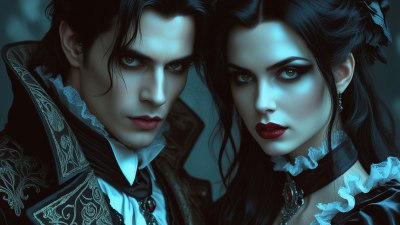
In 1897, Bram Stoker’s Dracula redefined the vampire myth, turning it into a tale of danger, sensuality, and fear of the unknown. Dracula wasn’t just a monster—he was charming, mysterious, and aristocratic, combining horror with allure.
The character of Dracula introduced key themes that still define vampires today:
- Eternal youth and beauty
- Forbidden desire
- The fear of losing control
- The outsider who lives among us
The modern vampire was born—and pop culture would never be the same.
Vampires in Modern Media: Every Era Gets the Vampire It Deserves
Vampires are shapeshifters—not just in stories, but as cultural symbols. They evolve to reflect the fears and fantasies of the time.
- 1980s–1990s: Vampires became rebellious and cool (The Lost Boys, Buffy the Vampire Slayer), reflecting teen angst and outsider identity.
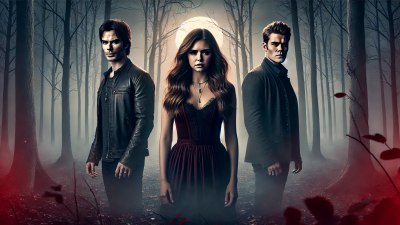
- 2000s: Romantic vampires took center stage (Twilight, True Blood, The Vampire Diaries), mirroring our obsession with eternal love, beauty, and emotional intensity.
- 2020s: Vampires get meta, comedic, or philosophical (What We Do in the Shadows, Midnight Mass), showing a more self-aware and existential side.
Each version adds new layers, but the core remains: the vampire is immortal, and so is our fascination with them.
The Psychology of Vampire Obsession
So what do vampires symbolize psychologically? A lot more than just bloodlust.
They embody the tension between:
- Desire and danger
- Life and death
- Control and surrender
- Immortality and loneliness
We’re drawn to them because they represent things we long for—and fear most. Vampires are:
- The ultimate fantasy of eternal youth
- An exploration of repressed desires
- A metaphor for addiction, power, or emotional hunger
- The outsider archetype—powerful, but alone
They offer a safe way to explore dark emotions and taboos—wrapped in leather, mystery, and biting metaphors.
Why Vampires Will Never Die
Vampires survive because they can transform. They adapt. Just like their stories. They’re sexy in one decade, scary in the next, and silly or soulful in another.
And deep down, they reflect us.
- Our longing for more time
- Our fear of death
- Our hunger to feel something real
As long as humans fear the unknown and crave the forbidden, vampires will always find a way back into our stories—and into our dreams.
What’s Your Favorite Vampire Era?
Do you love the gothic classics, the angsty romances, or the self-aware parodies? Which vampire story still haunts (or seduces) you the most?
🦇 Share your favorites in the comments and tag your vampire-obsessed bestie.
For more supernatural deep dives, cultural commentary, and psychology with a mystical twist, keep exploring LifeShouts.com.