The Joy of Nostalgia: Why Revisiting Childhood Favorites Feels So Good
Discover why nostalgia feels so good! Learn how revisiting childhood favorites boosts happiness, strengthens connections, and enhances your emotional health 🌈

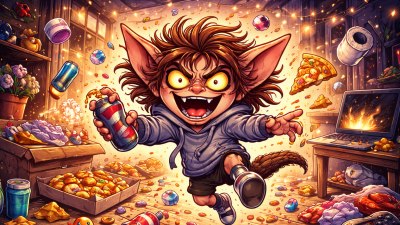
Photo via Canva.com/AI Generated Image
There's something undeniably magical about revisiting a beloved childhood book, rewatching a favorite cartoon, or hearing that song that defined your teenage years.
That warm, bittersweet feeling that washes over you isn't just sentimentality—it's nostalgia, a powerful emotional experience that researchers are discovering has surprising benefits for our wellbeing.
But why exactly does diving into our past favorites feel so satisfying?
Nostalgia: More Than Just Rose-Colored Glasses
While nostalgia was once considered a psychological disorder (seriously!), modern research reveals it's actually a complex emotion that serves important psychological functions. When we revisit childhood favorites—whether it's flipping through dog-eared copies of Harry Potter, watching The Lion King for the twentieth time, or playing that video game that consumed your summer vacations—we're not just remembering content, we're reconnecting with former versions of ourselves.
"Nostalgia serves as a kind of psychological time machine," explains Dr. Constantine Sedikides, a leading nostalgia researcher. "It transports us to meaningful moments in our past, reminding us of who we were and how we've evolved."
The Comfort of Predictability in an Unpredictable World
Part of nostalgia's appeal lies in its predictability. When you rewatch a movie you've seen dozens of times, you know exactly what's coming—every joke, every plot twist, every emotional beat. This creates a uniquely satisfying experience that new content simply can't provide.
In a world filled with uncertainty, revisiting childhood favorites offers a rare sense of control. You know the Titanic will sink, Mufasa will die, and Harry will defeat Voldemort. There's comfort in these certainties, especially during times of stress or transition.
Emotional Anchors and Identity Continuity
Our childhood favorites often serve as emotional anchors, connecting our present selves to our past experiences. That cartoon you loved at age seven isn't just entertainment—it's a time capsule of who you were, what mattered to you, and how you saw the world.
"When we engage with nostalgic content, we experience a sense of self-continuity," says Dr. Clay Routledge, a social psychologist specializing in nostalgia research. "It reminds us that despite all the changes in our lives, there's a core aspect of who we are that remains consistent."
This continuity is particularly comforting during major life transitions. It's no coincidence that many people find themselves drawn to childhood favorites during college, after moving to a new city, or following a breakup.
The Social Bonding Effect
Nostalgia isn't just personal—it's also deeply social. Sharing childhood favorites creates powerful bonds between people, whether it's introducing your kids to the movies you loved growing up or discovering a colleague shares your obscure passion for a 90s cartoon.
These shared nostalgic experiences often lead to what psychologists call "collective nostalgia," strengthening social connections and creating a sense of belonging. There's something uniquely intimate about saying, "This was important to me as a child," and having someone else understand and appreciate that significance.
The Neurochemistry of Nostalgia
The pleasure of nostalgia isn't just psychological—it's biological. When we encounter nostalgic content, our brains release a cocktail of feel-good neurochemicals, including dopamine (associated with pleasure and reward) and oxytocin (the "bonding hormone").
This neurochemical response explains why revisiting childhood favorites can feel almost like a mild euphoria. It's not just enjoyment; it's your brain creating a chemical reward for reconnecting with meaningful memories.
Nostalgia as Self-Care
In recent years, researchers have discovered that nostalgia can be a powerful tool for emotional regulation and mental health. Studies show that nostalgia can:
- Reduce feelings of loneliness and anxiety
- Combat boredom and provide a sense of meaning
- Increase feelings of social connectedness
- Boost mood and optimism about the future
- Enhance resilience during difficult times
This explains why many people instinctively turn to childhood favorites during periods of stress or isolation. That comfort movie or book serves as emotional medicine, activating positive memories and feelings when they're most needed.
The Bittersweet Nature of Nostalgic Joy
Part of what makes nostalgia so rich is its inherent bittersweetness. When we revisit childhood favorites, there's joy in the reconnection but also a gentle ache for what's passed. This complexity makes nostalgia different from simple happiness—it's a more nuanced emotional experience that acknowledges both continuity and change.
"Nostalgia is a mixed emotion, but that's what gives it depth," explains Dr. Krystine Batcho, who developed the Nostalgia Inventory, a scale to measure nostalgic tendencies. "It combines the joy of remembering with the acknowledgment that time has passed."
Embracing Nostalgia in Healthy Ways
While nostalgia offers many benefits, balance is key. Using childhood favorites as occasional emotional comfort is healthy; using them to permanently escape present reality is not. The healthiest approach to nostalgia involves:
- Using nostalgic activities intentionally for emotional regulation
- Balancing revisiting favorites with discovering new content
- Sharing nostalgic experiences with others
- Reflecting on how your perspective on childhood favorites has evolved
The Verdict: Nostalgia Is Good For You
So go ahead—watch that Disney movie for the hundredth time, restart your favorite childhood series, or dig out those old video games. The research is clear: the joy you feel isn't just simple pleasure. It's a complex emotional experience that connects you to your past, reinforces your identity, strengthens social bonds, and genuinely contributes to your psychological wellbeing.
In our rapidly changing world, these connections to our past provide valuable emotional anchors. Far from being childish indulgences, revisiting childhood favorites represents a sophisticated form of emotional self-care—one that connects us not just to who we were, but to who we've become.