The Social Impact of Never Being the First to End a Conversation
Afraid to be the first to say goodbye? Discover the comedy and psychology behind why we linger too long—and how leaving early might be your new superpower

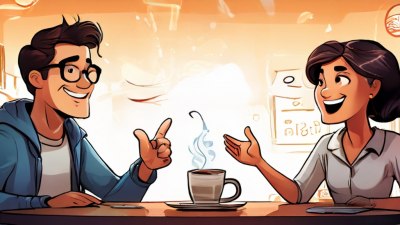
This image was created with the assistance of DALL·E
The Unspoken Olympic Sport of Goodbye Chicken
You've probably played it before. That moment when a conversation is technically over, but both of you are still standing there, making oddly circular small talk about the weather or, worse, mutual acquaintances you barely care about.
No one wants to be rude. No one wants to be the first to bail. So the conversation lingers, like a party guest who won’t take the hint. Welcome to the social standoff of Never-Being-the-First-to-End-the-Conversation™—a chronic condition many suffer in silence.
Why You (Still) Can’t Hang Up First
It goes beyond politeness. Psychologists might call it a blend of conflict avoidance, excessive agreeableness, and a mild addiction to approval.
Somewhere deep in your subconscious lives a belief: ending a conversation = being emotionally unavailable, selfish, or—gasp—dismissive. So instead, you nod for the sixth time and say 'Totally' with increasing vocal fry while your soul silently begs for escape.
You Become a Conversational Hostage (Willingly)
You’re in a chat loop. You've both said 'Well...' about six times. You even did the classic body language shift—the subtle step back, the glance at your phone, the fake stretch—but somehow, they didn't take the bait.
Now you're stuck in purgatory. Not because you love the conversation. But because ending it feels like cutting a wire on a bomb—will it explode? Will someone be offended? Will you think about this at 2 a.m. for the next 13 years?
The Psychology of the Prolonged Exit
Some researchers believe this is a form of micro people-pleasing. You’re managing someone else’s emotions at the cost of your own time, bladder, or sanity.
Ironically, studies show that most people prefer conversations to end sooner than they do. So both of you might be standing there thinking, 'Please, you end it.' It's a silent, mutual plea disguised as politeness.
You’re Not a Bad Person If You Leave First
Ending a conversation isn’t abandonment. It’s logistics. It’s boundaries. It’s the beautiful, mature act of saying, 'I enjoyed this, and I also enjoy not standing here for eternity.'
The trick is to exit with grace: a warm smile, a gentle shoulder squeeze (consensual, of course), and something like, 'I’d love to continue this next time—but I’ve got to run.'
The Social Ripple Effect of Overstaying
When you never leave, you might actually do more harm than good. People remember how they felt during a conversation—and dragging it too long can dilute the positive vibes. It’s like adding too much water to a great cup of coffee.
Plus, it teaches others to expect that you’ll never leave, which means you become the emotional sponge for every person who needs to offload their mental junk drawer.
You’re Allowed to Hit 'End Call'
Think of your time as a phone battery. Every unnecessary goodbye loop drains it. Eventually, you’re just standing there like a human iPhone at 2%.
You’re not responsible for holding space forever. You’re allowed to disconnect—even mid-monologue. (Well, maybe let them finish their sentence. We're not monsters.)
A World Where We All End Sooner
Imagine if we normalized swift, sincere goodbyes. If 'this was lovely—see you soon!' didn’t carry existential guilt. If we all knew that ending a chat isn’t a sign of emotional stinginess—it’s social maturity.
Because the truth is, being the one to end a conversation doesn’t make you cold. It means you know how to read the room—and your own energy.