The Unexpected Joys of Being a Plant Parent
Discover the unexpected joys of being a plant parent! From emotional benefits to physical health perks, learn how plant care can transform your life 🌿
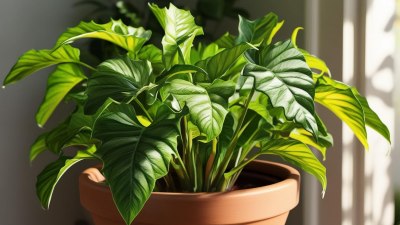
Photo via Canva.com/AI Generated Image
The idea of becoming a "plant parent" may seem like a passing trend, but for many, it’s more of a lifestyle shift than just a passing phase. Whether you have a single succulent on your windowsill or a whole indoor jungle, caring for plants offers a unique blend of joy, satisfaction, and health benefits.
If you’re new to the world of plant parenting or already a seasoned pro, this article will uncover the unexpected joys of being a plant parent and why it’s such a fulfilling experience.
The Surprising Emotional Benefits of Being a Plant Parent
Caring for plants is not only a hobby; it can be an emotional journey that brings a sense of calm and happiness into your life. Here are some of the emotional benefits you may not have expected when you first took on your plant family:
A Sense of Accomplishment
One of the most rewarding aspects of being a plant parent is witnessing your plants thrive. Whether it’s a new leaf unfurling on your monstera or the first flower on your orchid, every new growth is a victory. The act of nurturing a living being—especially one that requires patience—gives you a profound sense of accomplishment.
Reduced Stress and Anxiety
Spending time caring for plants has been shown to lower cortisol levels, the hormone associated with stress. In fact, studies have found that simply being in nature, or surrounding yourself with greenery, can reduce feelings of anxiety and promote a feeling of peace. The repetitive, calming nature of watering your plants and tending to them can create a meditative experience that helps to center your mind.
Enhanced Mood
Plants can have a natural mood-boosting effect. Studies have shown that exposure to plants and nature can trigger the release of serotonin, a hormone responsible for improving mood and overall well-being. Taking care of plants gives you something to look forward to and provides a sense of joy when they flourish under your care.
The Physical Benefits: How Plant Parenting Can Improve Your Health
Did you know that being a plant parent can also improve your physical health? The presence of plants in your home doesn’t just brighten the space—it can boost your health in several ways:
Improved Air Quality
Plants are natural air purifiers. Many houseplants, like spider plants and peace lilies, help filter out toxins such as formaldehyde and benzene, improving the quality of air in your home. This can lead to fewer allergy symptoms, better respiratory health, and a generally cleaner, fresher environment.
Enhanced Humidity
Plants naturally release moisture into the air through a process called transpiration. In homes with dry air, this can help increase humidity levels, which is especially beneficial during colder months when heating systems tend to dry out indoor air. The increased humidity can help with skin hydration, reduce the likelihood of colds, and ease symptoms of dry throat or nose.
Increased Physical Activity
Taking care of plants often involves light physical activity such as watering, repotting, and arranging. This can be a surprisingly effective way to stay active without committing to a formal exercise routine. Plus, the bending, stretching, and lifting required to care for your plants can contribute to better overall physical health and flexibility.
Nurturing a Routine and Gaining Patience
In our fast-paced world, it’s easy to forget the value of patience. However, plants teach you the importance of waiting for the rewards of your efforts. Each plant has its own growth cycle, which can take time to fully unfold. For instance, while a succulent may need just a little water and sunlight, a fern may require more care, patience, and attention.
By becoming a plant parent, you also create a routine in your life. Watering your plants on a regular schedule, checking in with their needs, and tending to them can help you structure your day and provide a sense of purpose.
Connecting with Nature, Even Indoors
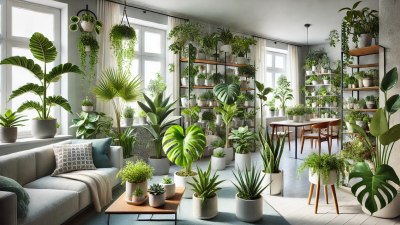
Not everyone has access to a garden or a green space, but that doesn't mean you can’t enjoy the beauty of nature. Indoor plants offer an opportunity to create your own little slice of nature at home. This connection with the natural world can help you feel more grounded, especially when living in busy urban environments.
Bringing Nature Indoors
Plants like pothos, snake plants, and fiddle-leaf figs can transform any space into an oasis. The green of the leaves, the vibrancy of the flowers, and even the earthy smell of fresh soil can all serve as reminders of nature, even when you’re stuck indoors.
Fostering Mindfulness
Taking the time to care for plants, even for a few minutes each day, can also help you practice mindfulness. The act of tending to your plants—focusing on the task at hand, paying attention to the details—can be a great way to disconnect from the chaos of the outside world and live in the present moment.
The Social Side of Being a Plant Parent
While plant parenting is often a solitary activity, it can also provide a sense of connection with others. Whether you’re swapping tips with fellow plant enthusiasts, joining an online community, or sharing cuttings with friends, plants can help foster meaningful social interactions. For many, this sense of community adds another layer of enjoyment to the experience.
Learning and Sharing Knowledge
Being a plant parent often leads to a natural curiosity about different species and their care needs. As you learn, you can share your experiences with others, helping to grow the plant-loving community. Platforms like Instagram and YouTube are filled with plant influencers sharing advice, showcasing their collections, and engaging with followers.
Gift-Giving and Shared Experiences
Plants make excellent gifts, and sharing your favorite plant with a loved one can strengthen your bond. Giving someone a cutting from your own plant collection or a carefully chosen plant can offer both a personal and thoughtful gesture.
10 Best Plants for Beginners
If you’re just starting your journey into plant parenting, here’s a list of 10 beginner-friendly plants that are easy to care for and will help you build confidence as you grow your plant family:
- Snake Plant (Sansevieria): Known for being nearly indestructible, it thrives on minimal care and can tolerate low light.
- Spider Plant (Chlorophytum comosum): Great for hanging baskets, this plant is low-maintenance and thrives in bright, indirect light.
- ZZ Plant (Zamioculcas zamiifolia): This hardy plant can go weeks without water, making it perfect for busy plant parents.
- Aloe Vera: A succulent that’s as useful as it is beautiful, requiring only occasional watering and plenty of sunlight.
- Pothos: Known for its trailing vines and ability to thrive in low-light conditions, pothos is perfect for beginners.
- Peace Lily (Spathiphyllum): Easy to care for and known for its air-purifying qualities, peace lilies are perfect for any home.
- Jade Plant: A low-maintenance succulent that thrives in bright light and requires little attention.
- Cast-Iron Plant: As the name suggests, it’s tough and can survive in a variety of conditions.
- English Ivy: A fast-growing, adaptable plant that can thrive in different lighting conditions.
- Dracaena: With its sleek leaves and minimal care requirements, this plant is great for indoor spaces.
Why You Should Embrace Plant Parenting
The joys of being a plant parent go far beyond having a greener home. The emotional, physical, and social benefits of caring for plants are significant and can have a lasting positive impact on your life. By embracing plant parenting, you not only create a healthier living environment but also develop a sense of responsibility, mindfulness, and connection to nature.
Whether you’re looking for a new hobby or simply want to add a little greenery to your space, being a plant parent can provide the perfect balance of joy, growth, and fulfillment. Start small, and soon you’ll discover the many rewards that come from nurturing your plant family.