How Climate Change Is Reshaping the Planet in Unseen Ways
Discover how climate change is reshaping the planet in unseen ways — from shifting animal behavior to underground ice melt. Learn what’s really happening to Earth 🌍
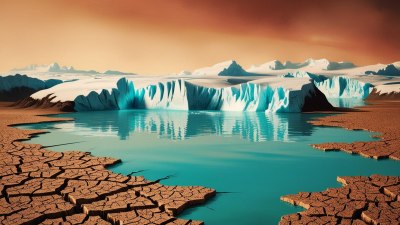
Photo via Canva.com/AI Generated Image
When we think about climate change, we often imagine melting glaciers, rising sea levels, and hotter summers. But what if we told you that some of the biggest impacts of climate change are happening in ways most of us never see?
From underground changes to strange shifts in animal behavior, the planet is being reshaped in surprising ways — and not all of them make headlines. So let’s take a journey into the hidden side of climate change and explore how it's transforming our world in ways you might never have guessed.
Animals Are Changing Their Looks to Adapt
You’ve probably heard about animals migrating to new places because of warming temperatures. But did you know some animals are actually changing their physical features to survive?
Scientists have found that certain species are developing larger ears, beaks, and tails — features that help them release more heat and cool off in hotter climates.
For example:
- Some birds are growing bigger beaks, which help regulate body temperature.
- Mammals like bats and rodents are showing longer tails and ears in warmer regions.
These changes are happening fast — over just a few generations — and show how climate change is reshaping the natural world right before our eyes.
Hidden Ice Is Melting — and It’s Causing Problems
When we think of ice melting, we imagine glaciers and icebergs. But there’s also hidden ice buried underground called permafrost, and it’s melting too.
Permafrost is frozen soil found in places like Siberia, Alaska, and Canada. As the planet warms, this frozen ground is thawing and releasing greenhouse gases like methane and carbon dioxide — making climate change even worse.
Plus, melting permafrost can lead to:
- Sinkholes suddenly opening up in the ground.
- Ancient viruses and bacteria potentially being released (yes, like something out of a sci-fi movie).
- Damage to roads, buildings, and entire communities built on frozen ground.
It’s a hidden effect that most people don’t see — but one that could have huge consequences for the future.
Ocean Currents Are Changing — and It’s Affecting Weather Everywhere
Deep beneath the ocean’s surface, massive currents carry warm and cold water around the planet. This system, sometimes called the ocean’s conveyor belt, helps keep our climate stable.
But as polar ice melts and dumps more freshwater into the oceans, these currents are slowing down — and that could lead to dramatic shifts in weather patterns.
If these currents weaken too much, we could see:
- Colder winters in Europe, despite overall global warming.
- Stronger hurricanes and storms on the US East Coast.
- Major changes to rainfall patterns, which could affect crops and food supplies.
So, even if you live far from the ocean, these unseen changes in ocean currents could impact your daily life.
Plants Are Moving to New Neighborhoods
As temperatures rise, plants are also on the move — but they can’t just get up and walk away, of course. Instead, seeds and spores are spreading into new areas where the climate is more suitable.
This means:
- Tropical plants growing farther north or south than ever before.
- Some traditional farming regions might become too hot or dry for certain crops.
- Invasive species taking over areas where native plants can't survive the heat.
The natural world is literally shifting around us, even if we don’t notice it while walking through a park or forest.
Underground Water Is Running Out
Another hidden way climate change is reshaping the planet is how it affects underground water sources, or aquifers.
As droughts become more common and intense, people and farms rely more heavily on these underground water supplies. But we’re draining them faster than they can refill, and in some places, they may never come back.
Losing this water means:
- Less water for drinking, farming, and industry.
- Increased land subsidence — meaning the ground literally sinks, which can destroy roads and buildings.
- More conflicts over water access, especially in dry regions.
You might not see these empty aquifers, but they’re critical for life on Earth — and they’re shrinking fast.
Coral Reefs Are Becoming Ghost Towns
Coral reefs are often called the rainforests of the sea because of their incredible biodiversity. But warming oceans are causing coral bleaching, which turns these vibrant ecosystems into lifeless white skeletons.
Why it matters:
- Coral reefs protect coastlines from erosion and storms.
- They are home to thousands of fish and marine species.
- Many communities rely on reefs for fishing and tourism.
With half of the world’s coral reefs already damaged or dead, we’re losing a vital part of the ocean’s ecosystem — often before people even realize what’s happening.
Wildfires Are Changing the Chemistry of the Atmosphere
Wildfires are bigger, hotter, and more frequent because of climate change. But beyond destroying forests and homes, they’re also changing the atmosphere in ways we’re just beginning to understand.
Fires release huge amounts of carbon dioxide, methane, and black carbon — which not only make climate change worse but also affect cloud formation, weather patterns, and even how much sunlight reaches the ground.
So, while we might see smoke in the sky for a few days, the atmospheric changes last much longer and can affect global weather and temperatures.
Final Thoughts: Climate Change Is More Than What Meets the Eye
When people think about climate change, they often focus on what’s visible — rising temperatures, melting ice, and extreme storms. But some of the biggest changes are happening quietly, behind the scenes, in ways that could reshape our planet for generations to come.
From shifting animal and plant life to changes deep underground and in the oceans, the story of climate change is much bigger and more complex than we think.
Understanding these unseen effects is crucial if we want to prepare for the future — and protect the only home we’ve got.
What Do You Think?
Were you surprised by any of these hidden effects of climate change? Which one do you think is the most alarming? Drop a comment and let’s talk about it! And if you found this article helpful, share it to help others see the full picture of climate change.