The Hidden Meanings of Tarot's Major Arcana
Discover the hidden meanings behind tarot’s Major Arcana — the symbolic life lessons, archetypes, and deep truths woven into these powerful, mystical cards 🔮✨

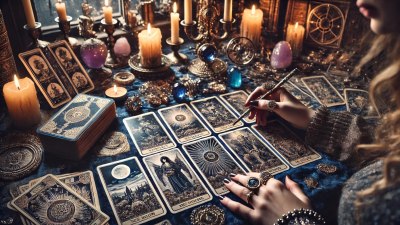
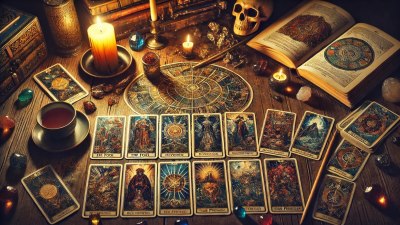
This image was created with the assistance of DALL·E
Even if you’ve never touched a tarot deck, you’ve probably seen those iconic cards — The Fool, The Lovers, Death, The World — each one rich with symbols, mystery, and centuries of meaning.
But what do these cards actually represent? And why have they fascinated readers, mystics, and artists for hundreds of years?
The Major Arcana — the 22 most powerful cards in the tarot deck — are more than just pretty pictures. They tell the story of the Fool’s Journey, a symbolic path through life’s stages, challenges, and transformations. Whether you believe in divination or just love the art and psychology of tarot, these cards offer layers of hidden meaning worth exploring.
Let’s dive into the secrets behind tarot’s most famous cards — and what they really reveal.
What Is the Major Arcana?
A standard tarot deck has 78 cards:
- 56 Minor Arcana (the four suits, similar to playing cards)
- 22 Major Arcana (the big archetypal cards)
The Major Arcana cards are considered the heart of the tarot. Each represents a major life theme, spiritual lesson, or deep inner truth.
Together, they form a sequence known as the Fool’s Journey, with The Fool as the main character, moving through experiences of love, struggle, growth, and enlightenment.
The Fool’s Journey — A Symbolic Life Map
The Fool (Card 0) begins the journey, young and open to possibility, carrying only a small bag of potential. As the Fool moves through the other 21 cards, they encounter teachers, temptations, triumphs, and trials.
By the time they reach The World (Card 21), they’ve come full circle, transformed by the lessons they’ve gathered.
This journey mirrors our own cycles of growth — every time we take a risk, face change, or reach a new chapter, we’re living out a version of the Fool’s path.
A Few Hidden Meanings in Key Cards
Let’s peek beneath the surface of some of the most iconic Major Arcana cards.
The Magician (Card I)
Symbolizes power, potential, and manifestation. But the hidden meaning? You already have all the tools you need — you just have to believe you can use them.
The High Priestess (Card II)
Represents mystery, intuition, and hidden knowledge. She’s a reminder that some answers come only through stillness and inner listening, not logic.
The Lovers (Card VI)
Often seen as romantic, but it’s really about choices and alignment — are your actions in line with your values?
The Chariot (Card VII)
A card of victory and control, but underneath, it’s about mastering opposing forces — how do you steer your life when part of you wants to go left and part of you wants right?
Death (Card XIII)
The most misunderstood card. It’s rarely about physical death — it’s about transformation, endings, and the space to begin again.
The Tower (Card XVI)
A dramatic card showing lightning and collapse, but its hidden truth? Sometimes destruction clears the way for necessary change.
The World (Card XXI)
Completion, wholeness, integration. The final step — but also the moment when a new cycle is ready to begin.
Archetypes, Symbols, and the Collective Unconscious
Why do these cards resonate so strongly across cultures and centuries? Carl Jung, the famous psychologist, believed we all share a collective unconscious — a deep well of symbols and archetypes that appear in myths, dreams, and art worldwide.
The Major Arcana tap directly into this symbolic language:
- The Empress (nurturing mother)
- The Emperor (structured father)
- The Hermit (the seeker or wise elder)
- The Devil (temptation, bondage, shadow)
When we work with these cards, we’re not just looking at fortune-telling tools — we’re engaging with universal patterns that shape human experience.
How to Use the Major Arcana (Even if You’re Not a Reader)
You don’t have to be a tarot reader to appreciate the Major Arcana’s wisdom. Here are a few ways you can connect with these cards:
- Pull a random Major Arcana card when you’re stuck or need perspective.
- Reflect on which card feels most like your current life chapter.
- Journal about how the Fool’s Journey parallels your own growth.
- Use the imagery as a prompt for creative writing, art, or meditation.
The magic of tarot isn’t about predicting the future — it’s about tuning into yourself and your journey in a deeper, more symbolic way.
The Tarot’s True Gift
At first glance, tarot might look like a tool for fortune-telling or mystical games. But at its heart, the Major Arcana offers something timeless: a map of the human experience.
Whether you see the cards as spiritual guides, psychological mirrors, or simply beautiful works of art, they invite you to reflect, wonder, and engage with life’s mysteries.
And in the end, maybe that’s the real magic.
What Do You Think?
Do you have a favorite tarot card or one that seems to follow you through life? Have you ever used the Major Arcana for reflection or guidance? Share your experience in the comments — and pass this along to someone who loves symbolism, stories, or a little bit of everyday magic.