Witchy Vibes: The Psychology of Why Everyone Loves Tarot and Astrology
Why are so many people drawn to tarot and astrology? Explore the psychology, symbolism, and soulful appeal behind these wildly popular modern rituals

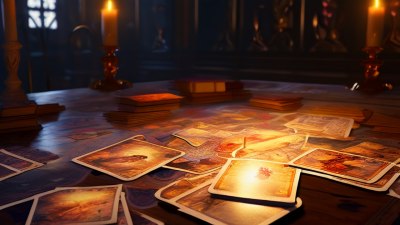
This image was created with the assistance of DALL·E
In an era where algorithms run our lives and data drives decisions, it's a bit ironic that more and more people are turning to tarot cards and astrology charts. But it makes perfect sense when you understand one thing: we’re all searching for meaning.
Tarot and astrology don’t promise hard facts. They offer frameworks. Symbols. Language for the intangible. In a world full of chaos, they give us a sense of structure—one that feels personal, even sacred.
Tarot as a Mirror, Not a Crystal Ball
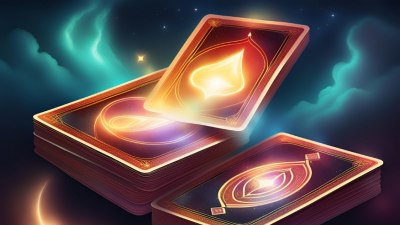
Many people approach tarot expecting future predictions. But what they find is often deeper: reflection. Tarot isn’t about fate—it’s about focus. It’s a tool for introspection, offering visual metaphors for the emotional weather inside you.
A card pulled at the right moment can feel like a therapist, a friend, or a gut-check. It nudges you to ask questions you might’ve been avoiding—and to reframe the story you’re telling yourself.
Astrology and the Need to Belong
There’s comfort in feeling known. Astrology’s popularity isn’t just about horoscopes—it’s about identity. Your sun, moon, and rising signs give you a sense of psychological scaffolding. They help you feel categorized, understood, seen.
In a world that often flattens people into job titles or dating profiles, astrology says, 'You're complex. And your chaos has a pattern.' That’s powerful.
The Ritual of It All
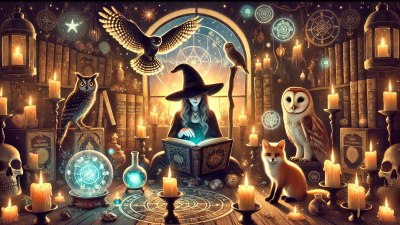
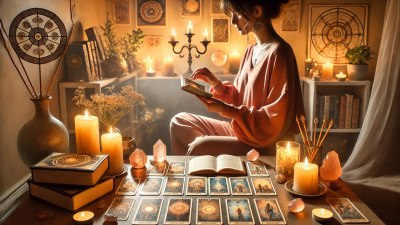
Lighting a candle. Shuffling cards. Reading a birth chart. These small acts become rituals—a way of slowing down, checking in, creating intentional space.
Even skeptics admit there’s value in the mindfulness of it. It’s not about whether Saturn is really in retrograde. It’s about pausing long enough to ask: What’s going on with me right now?
Symbolism Hits Where Logic Can’t
We don’t always need solutions. Sometimes, we just need symbols. A tower card can capture the collapse we feel better than a checklist. A Saturn return can explain a restless year more poetically than a spreadsheet ever could.
These practices give shape to feelings we can't quite articulate. And in doing so, they bring a strange kind of clarity—one that doesn’t require proof to feel true.
Community, Connection, and Control
Witchy tools also connect people. Astrology memes bond strangers on Instagram. Tarot pulls at parties spark real conversations. These aren’t isolated practices—they’re shared languages.
In a time when control feels scarce, choosing to pull a card or read your transits feels empowering. It says, 'I may not know what’s coming—but I’m willing to engage with it.'