Vampire Protection Methods from Around the World
Discover vampire protection methods from around the world—from garlic and holy water to red thread and ancient burial rituals. Folklore meets fear!

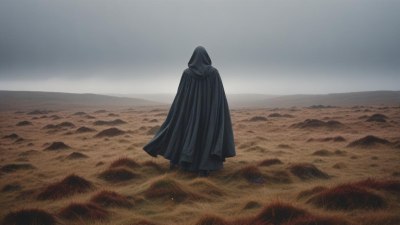
This image was created with the assistance of DALL·E
Introduction to Vampire Lore
From Eastern Europe to Southeast Asia, vampire myths have persisted for centuries. These blood-drinking entities are feared for their power to drain life from the living, and cultures around the world have developed unique rituals and tools to protect themselves from such creatures.
🧛 From Ancient Myths to Modern Movies: Why Vampires Will Never Die
Whether rooted in superstition or actual historical practices, these protection methods reflect deep-seated fears—and some surprisingly creative thinking.
Garlic: The Universal Repellent
Perhaps the most well-known vampire deterrent, garlic has been used for centuries to ward off evil. In Romanian and Balkan folklore, garlic is believed to repel vampires due to its strong smell and supposed purifying properties.
🧛 Supernatural Archetypes: The Psychology of Vampires, Werewolves, and More
Villagers would rub garlic on windows, doorways, and even livestock to keep vampires at bay. Some even wore garlands of garlic or consumed it raw for personal protection.
Stakes and Decapitation
One of the most dramatic methods of vampire prevention was staking a suspected corpse through the heart. This method was common in Slavic regions, where people believed the soul could linger in the body after death.
🧛 Bloodbound Sisters: A Tale of Twin Vampires (Horror Story)
Decapitation and burial facedown were also used to prevent the dead from rising. In some cases, iron stakes or scythes were placed over graves to stop the corpse from leaving its resting place.
Religious Symbols and Sacred Grounds
Christian symbols like crucifixes, holy water, and church bells are traditional vampire deterrents in Western folklore. The belief is that the sanctity of these objects repels creatures of darkness.
🧛 The Eternal Waltz (Vampire Love Story)
Graves were sometimes built on consecrated ground to prevent reanimation, and some coffins were inscribed with religious symbols for extra protection.
Red Thread and Iron Objects
In parts of Eastern Europe and the Middle East, red thread was tied around the wrists or necks of children and livestock to ward off vampires or evil spirits. The color red was thought to confuse or repel dark entities.
🧛 The Vampire’s Choice: Decide Whose Blood to Drink and Unveil Your Toxic Trait!
Iron, often associated with purity and strength, was also widely used—horseshoes were hung above doors and iron nails were sometimes driven into coffins.
Seeds and Counting Compulsions
An unusual yet widespread belief holds that vampires are compulsive counters. In China and across Europe, people scattered seeds like millet, rice, or poppy around a suspected vampire’s grave.
🧛 From Nightwalkers to Heartthrobs: Top 10 Vampire Characters on TV That Stole Our Hearts
The vampire would supposedly be forced to count every grain before moving on—delaying or stopping their nightly terror. This belief even inspired scenes in popular shows like 'Sesame Street.'
Water as a Barrier
Water is often considered a protective element. In many legends, vampires cannot cross running water, a motif seen in both Slavic and Chinese traditions.
🧛 If You Were a Vampire Would You Kill People to Feed, or Are You Going to Spare Them?
Homes near rivers or those that surrounded graves with moats believed this would prevent spirits or vampires from entering sacred or living spaces.
Modern Interpretations and Pop Culture
Modern vampire stories have embraced these old traditions while adding new twists. From Buffy’s arsenal of wooden stakes to Blade’s garlic-infused weapons, folklore continues to evolve through pop culture.
Even today, stories of vampire sightings occasionally make news, proving that our fascination with the undead is far from over.
While the likelihood of real vampires is slim, the lengths to which people have gone to protect themselves from them reveals a rich tapestry of folklore, belief, and creativity.
These vampire protection methods—from garlic to grave rituals—are more than superstition; they’re a glimpse into humanity’s ongoing struggle to understand and defeat the unknown.