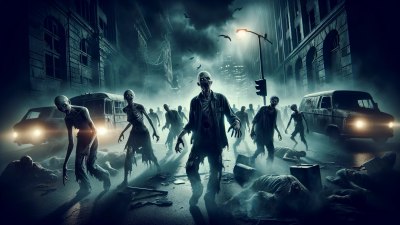
Why Are We Drawn to the Apocalypse? The Psychology of End-of-the-World Fantasies
Why are we obsessed with end-of-the-world stories? Explore the psychology behind apocalyptic fantasies and what they reveal about fear, control, and human desire

Photo via Canva.com/AI Generated Image
From zombie outbreaks to alien invasions, post-nuclear wastelands to viral pandemics, apocalyptic stories dominate pop culture. Whether it’s The Walking Dead, The Last of Us, or Mad Max, we can’t seem to look away from the destruction of civilization.
But what’s behind this obsession with the end of the world? Psychologists believe our fascination with apocalyptic fantasies reflects deep psychological needs, hidden fears, and even secret desires.
Let’s explore what these end-of-the-world scenarios really say about us.
The Allure of Destruction: A Safe Space for Fear
In real life, chaos is terrifying. But in fiction, apocalypse becomes a safe container for our fears—a place to explore anxiety, grief, and loss without actual danger.
End-of-the-world narratives let us ask:
- What would I do if the world fell apart?
- Would I survive? Would I matter?
- What truly matters when everything else is stripped away?
Apocalyptic stories let us simulate danger while staying safe on our couches, creating a kind of emotional rehearsal for real-life crisis.
Apocalypse as a Fantasy of Freedom
Strangely enough, apocalyptic fantasies aren’t always about fear. They can also be oddly liberating. When the world collapses, so do societal expectations.
Why we crave it:
- No more 9-to-5 grind
- No pressure to keep up appearances
- A chance to reinvent yourself from scratch
Psychologically, these stories speak to our desire for autonomy, self-reliance, and meaningful survival, free from the weight of modern life.
Rebuilding the Self: Identity in Ruins
When the world ends, characters often undergo massive transformations. Apocalyptic narratives provide space to:
- Explore who we are without external structures
- Confront our fears, traumas, and unresolved emotions
- Shift from passive to empowered roles
This is why these stories feel so personal. In destroying the world, they allow characters—and by extension, us—to rebuild ourselves.
A World in Crisis Mirrors the Mind
Psychologists note that people often gravitate toward apocalyptic content during personal or collective turmoil.
When we feel:
- Out of control
- Disillusioned with the system
- Disconnected from purpose
End-of-the-world stories resonate more deeply. They provide a dramatic metaphor for internal collapse and the hope of emotional rebirth.
Think about the global surge in apocalyptic fiction during major world events—economic recessions, pandemics, political unrest. These stories mirror the collective unconscious, giving form to what we can’t always articulate.
The Dark Comfort of Survivalism
There’s also a kind of thrill in imagining yourself as the lone survivor. These fantasies often center around the idea of:
- Being the last one standing
- Proving your strength and value
- Thriving against impossible odds
It’s not just about destruction—it’s about validation. In the ruins, you become the hero.
These narratives tap into a core human desire to be important, chosen, and capable, especially when real life feels like we’re just another face in the crowd.
Why We Keep Watching the World End
End-of-the-world stories are addictive because they combine:
- High emotional stakes
- Stripped-down humanity
- A bizarre blend of fear, hope, and freedom
They're cathartic. They allow us to explore collapse, not just of the world, but of ego, routine, and identity—and what might rise from the ashes.
What Apocalypse Story Speaks to You Most?
Are you more drawn to zombie survival? Cosmic disaster? Dystopian collapse? The kind of apocalypse that hooks you says a lot about what you fear—and what you crave.
🧟♂️ Drop your favorite apocalyptic story in the comments and tell us what you think it reveals about you.
For more deep dives into pop culture, psychology, and the end of the world as we know it, keep exploring LifeShouts.com.