Why Everyone Thinks They're the Main Character (But You Actually Might Be)
Main character syndrome is real—but what if you’re not imagining it? Explore the psychology, pitfalls, and surprising truth behind your starring role 🎬

This image was created with the assistance of Freepik
You’ve seen the memes. You’ve heard the phrase. 'Main character energy' is everywhere—but what does it really mean? Is it just self-importance with a filter, or could there be something real behind it?
Here’s the psychological and (maybe a little metaphysical) breakdown of why everyone feels like the protagonist… and why you might actually be one.
The 'Main Character' Energy Phenomenon
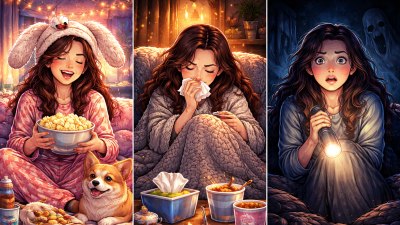
Social media practically begs us to believe we’re the stars of the show. With curated playlists, morning light selfies, and aesthetic coffee montages, everyone’s story feels like it comes with a cinematic score and emotional arcs.
But there's more to main character energy than filtered sunsets and voiceovers. It’s rooted in how we process reality: from our perspective, we are the protagonist. Everyone else is just... supporting cast. Or is it the other way around?
Life Imitates Screenwriting
You have conflicts. Plot twists. Flashbacks. Even side characters who only show up once to deliver a weirdly profound line in an Uber.
We structure our memories like stories. We try to find meaning, arcs, and growth. It’s not narcissism—it’s narrative survival. We're wired to make sense of our lives as if they're unfolding on a stage.
The Dangerous Side of the Spotlight
Main character syndrome has its downsides. It can make us overly self-conscious, reactive, and self-important. You start reading too deeply into glances from strangers and interpreting every mild inconvenience as 'character development.'
And worst of all? You forget that other people are living fully developed stories too.
But What If You Actually Are?
Some people walk into a room and change the air. They move with presence, speak with impact, and experience the kind of bizarre life events that seem too on-the-nose to be random.
If that’s you, it might not be delusion. You may actually be the protagonist of a larger narrative—just not one about ego. One about awareness, cause-and-effect, and a weird magnetic pull that keeps putting you in pivotal moments.
Signs You Might Be 'The One' (In Your Timeline)
• You feel like time bends around you during key events.
• People frequently open up to you unprompted.
• You experience more synchronicities than most.
• You often wonder if your choices ripple out in strange ways.
• You sometimes feel like you’re being watched—lovingly, not creepily.
Sound familiar? Maybe you’re not imagining it. Maybe the simulation, the universe, or fate has given you a slightly different script to work with.
How to Use Your Protagonist Powers Responsibly
Being the main character isn’t about dominating the scene. It’s about staying curious, humble, and generous with your spotlight.
If your story really does influence others, write a plot that lifts people up. Be the lead who listens. The hero who admits when they’re lost. The character who evolves—and lets others evolve too.