Nocturnal Knowledge Pair-It: Match the Animal to its Primary Activity Period (Day/Night)
Match each animal to the time of day it's most active. Test your knowledge of nocturnal and diurnal wildlife behavior
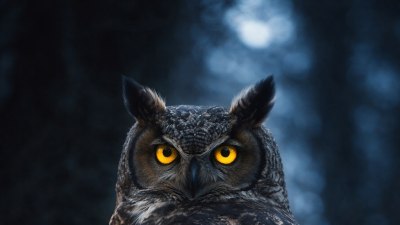
This image was created with the assistance of DALL·E
When the sun sets, the world doesn't go quiet—it changes. While some animals settle into rest, others are just getting started. Understanding whether an animal is active by day or night reveals a lot about its survival strategies, senses, and evolutionary adaptations. Are you ready to match these creatures to their peak activity hours?
➡️ Baby Animal Pair-It: Match the Adult Animal to the Name of its Offspring
This challenge takes you across ecosystems to explore how different animals structure their daily rhythms. Whether they're prowling under moonlight or soaking in sunlight, each species has carved out a time slot in nature’s schedule that suits their lifestyle.
Why Some Roam by Day and Others by Night
Day-active, or diurnal, animals like eagles and elephants rely heavily on vision and thrive in open environments where sight is key. Their activity aligns with daylight, when their food sources and social behaviors are best supported. On the flip side, night-active, or nocturnal, species like owls, bats, and raccoons have adapted to dark environments. Their eyes, ears, and sometimes echolocation skills help them navigate the shadows and hunt or forage when others are asleep.
➡️ Herbivore, Carnivore, or Omnivore? Match the Animal to its Diet!
Nocturnality is often a form of ecological niche partitioning—animals that are active at different times don’t compete as directly for food or territory. It also offers protection from predators and climate extremes. For instance, desert creatures like the aardvark emerge at night to avoid scorching heat.
Follow the Rhythm of the Wild
From rainforest floors to suburban rooftops, animals stick to their natural clocks. Whether it's a lion stalking the savannah under moonlight or a zebra grazing at sunrise, these routines have evolved for survival. Understanding them not only gives insight into animal behavior but helps us respect and conserve the wild creatures that share our world.
➡️ Continent & Critter Pair-Up: Match the Animal to its Native Continent
Think you can tell who wakes with the sun and who thrives in the dark? Match the animal to its daily rhythm and put your nocturnal knowledge to the test!