Christmas Songs With Hidden Dark Meanings
Discover the surprisingly dark meanings behind popular Christmas songs—hidden lyrics, eerie origins, and unsettling stories behind holiday classics

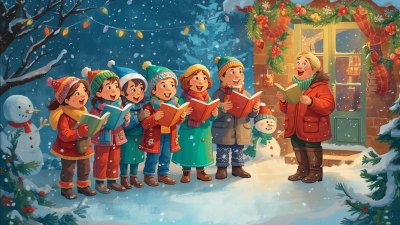
Photo via Canva.com/AI Generated Image
Christmas music is usually filled with joy, nostalgia, and festive cheer—but not all holiday tunes are as innocent as they sound. Some of the most popular Christmas songs actually hide surprisingly dark meanings rooted in history, tragedy, or unsettling folklore.
Once you know the real stories, you may never hear these classics the same way again.
1. “Baby, It’s Cold Outside” – A Controversially Creepy Duet
This song may sound like a flirty holiday duet, but modern listeners have pointed out how uncomfortable the lyrics can feel. The woman repeatedly says she should leave, but the man tries to persuade her to stay.
The line that sparks the most debate?
“Say, what’s in this drink?”
While some argue it was a common 1940s phrase meant to imply social pressure—not literal intoxication—others feel the song carries undertones of coercion. Regardless of interpretation, the debate has kept the song in the spotlight for years.
2. “Santa Baby” – A Materialistic Wish List Gone Wild
“Santa Baby” is often seen as a playful, sultry Christmas tune, but dig deeper and it reveals a surprisingly dark undertone of greed and manipulation. The singer promises affection only in exchange for extravagant gifts—houses, yachts, jewelry, you name it.
It’s less of a love song and more of a sugar-daddy negotiation wrapped in jingle bells.
3. “We Wish You a Merry Christmas” – A Caroleer Threat, Basically
You’ve probably sung this song since childhood, but the lyrics actually take a unexpectedly aggressive turn:
“We won’t go until we get some.”
Historically, this wasn’t a cute line—it was a literal threat. In Victorian England, carolers would go door to door singing for food or money. If homeowners refused, carolers sometimes responded with pranks, property damage, or worse.
So the song was basically: Give us the figgy pudding or else.
4. “Up on the Housetop” – The Creepy Rooftop Visitor
This upbeat tune describes Santa landing on the roof and climbing into the house—but the idea of a stranger slipping into children’s bedrooms at night isn’t exactly comforting.
In some early versions, Santa was portrayed as a disciplinary figure who rewarded or punished children. So the song’s cheerful tone hides an older, more unsettling concept: Santa as a supernatural intruder who decides your fate while you sleep.
5. “Here We Come a-Wassailing” – A Not-So-Jolly Tradition
The word “wassailing” might sound cute, but it refers to a rowdy, sometimes violent medieval custom. Groups of wassailers roamed towns demanding alcohol and food. When denied, they could become destructive.
This means the cheerful lyrics about spreading good cheer are masking a tradition closer to holiday extortion than warm-hearted caroling.
6. “The Twelve Days of Christmas” – A Song of Excess and Possible Codes
With its endless list of birds, servants, and expensive gifts, “The Twelve Days of Christmas” feels festive but strange. What’s often overlooked is how chaotic—and downright bizarre—the full list becomes.
Some historians suggest it may have been a memory game or even a coded catechism tool for English Catholics during persecution in the 16th century. Though debated, the theory adds a darker historical backdrop to an otherwise joyful song.
7. “I Saw Mommy Kissing Santa Claus” – A Childhood Misunderstanding
On the surface, this song sounds cute—until you realize it’s about a child witnessing what appears to be his mother cheating on his father with Santa Claus.
Of course, the twist is that Santa is actually the dad in costume, but the child doesn't understand that. The dark part? The lyrics describe the boy contemplating whether telling his dad would cause trouble.
Cute tune, but definitely awkward when you read the lyrics literally.
8. “Do You Hear What I Hear?” – Written During Nuclear Tension
Though it sounds like a peaceful Christmas hymn, this song was written during the height of the Cold War in 1962. Inspired by the Cuban Missile Crisis, the lyrics reflect anxieties about war, power, and global destruction.
The line “Pray for peace, people everywhere” is a direct plea for stability during one of the most dangerous geopolitical moments in modern history.
9. “Grandma Got Run Over by a Reindeer” – Dark Humor or Just Dark?
This novelty song is meant to be funny—but it’s actually about a grandmother tragically dying on Christmas Eve and the family treating it with casual indifference. It’s campy, of course, but the story is undeniably grim.
Even more oddly, the grandfather seems relieved by the situation, which makes the song’s humor even more twisted.
10. “Carol of the Bells” – A Haunting Melody With Pagan Roots
“Carol of the Bells” sounds like a Christmas masterpiece, but its origins come from a Ukrainian folk chant called “Shchedryk,” centered on New Year’s fortune-telling. The original song wasn’t about Christmas at all—it was about predicting wealth, prosperity, and even marriage.
Its minor key and hypnotic melody give it an eerie, haunting tone that stands apart from most festive music—one reason it's often used in movie scenes meant to feel intense or foreboding.
Final Thoughts: Holiday Cheer With a Dark Side
Christmas songs may fill us with joy, but many have surprisingly dark backstories. From coded messages and Cold War fears to strange folklore and uncomfortable lyrics, these tunes remind us that holiday history isn’t always as cheerful as the melodies suggest.
Still, that contrast is part of what makes Christmas music so fascinating—it’s a blend of joy, nostalgia, mystery, and sometimes a hint of darkness.
Enjoyed This Article?
If you love exploring the hidden meanings behind holiday traditions, check out our other Christmas deep dives and share this article with a fellow music enthusiast!
🎄 Find more Christmas quizzes, games, and holiday magic right here!