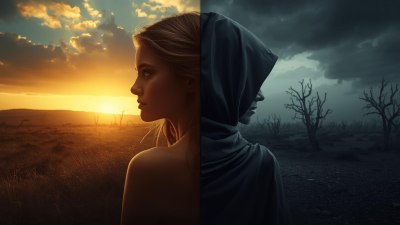
The Dark Origins of Your Favorite Christmas Carols
Uncover the surprisingly dark and eerie origins behind classic Christmas carols—from haunting melodies to unsettling historical backstories
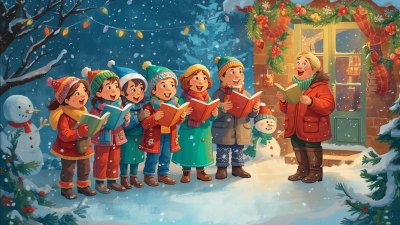
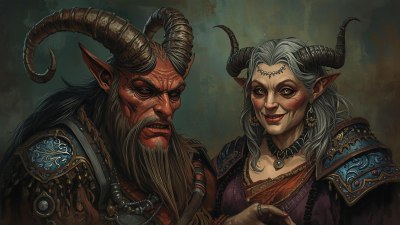
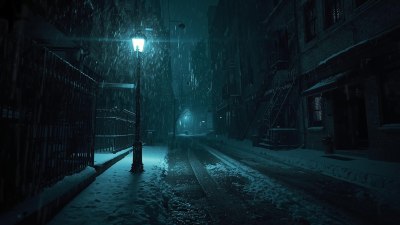
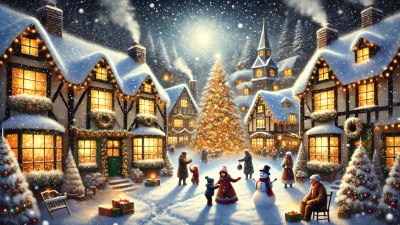
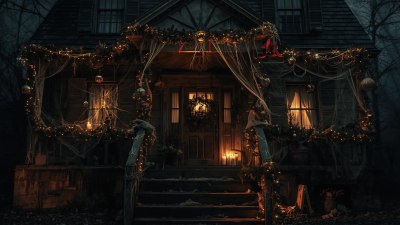
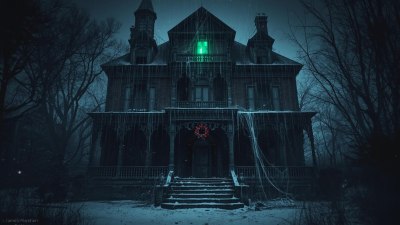
Photo via Canva.com/AI Generated Image
Christmas carols feel warm, nostalgic, and comforting—but many of these familiar songs come from surprisingly dark beginnings. Long before they became cheerful mall music and cozy choir staples, several carols were tied to eerie legends, grim historical events, or unsettling traditions.
Here are the unexpectedly dark origins behind some of your favorite Christmas carols.
“God Rest Ye Merry, Gentlemen” – A Song to Keep Evil Away
Despite its uplifting melody, this carol began as a medieval folk song meant to protect listeners from dark winter spirits. In the Middle Ages, December was considered a time when supernatural forces were strongest, and music played a role in warding off danger.
The original lyrics were more somber, too—urging listeners to stay joyful in the face of fear and misfortune. It wasn’t just a holiday tune; it was a reminder to stay spiritually strong during the darkest nights of the year.
“The Twelve Days of Christmas” – A Hidden Code?
To most people, this carol is a quirky countdown of birds, dancers, and gifts—but one popular theory claims it was a coded teaching tool for persecuted English Catholics in the 16th and 17th centuries. According to the legend, each gift symbolized a religious concept disguised as a harmless rhyme.
Historians debate the accuracy of this theory, but the carol’s strange gift list and repetitive style certainly raise questions. Whether or not the code was real, the carol’s structure feels more mysterious than merry.
“We Wish You a Merry Christmas” – A Carol With Threatening Lyrics
This cheerful-sounding tune has surprisingly aggressive origins. In Victorian England, groups of lower-class carolers would sing outside wealthy homes demanding treats—especially figgy pudding.
The line “We won’t go until we get some” wasn’t a joke. It was essentially a polite-sounding threat. In some cases, if homeowners refused, carolers responded with pranks, vandalism, or rowdy behavior.
So this “jolly” carol was originally more like musical extortion with a festive twist.
“O Come, O Come, Emmanuel” – A Song of Desperation
This haunting melody dates back to medieval monastery chants, composed during a time of fear, illness, and political instability. Its original Latin lyrics express deep longing, sorrow, and the desperate hope for rescue in a troubled world.
The melody itself follows an ancient, minor-key scale often used in mourning and lamentation. Even today, the song carries a somber emotional weight compared to most holiday music.
“Carol of the Bells” – A Song With Pagan Roots
Though now associated with magical Christmas moments, “Carol of the Bells” originated from a Ukrainian New Year’s chant called “Shchedryk.” The original song had nothing to do with Christmas—it told the story of a swallow foretelling wealth and prosperity for the coming year.
The melody is hypnotic and, to some listeners, even eerie. Its minor chords, repetitive structure, and chanting rhythm give it an almost haunting quality, which is why it’s often used in suspenseful holiday scenes in movies.
“Silent Night” – A Caroled Born From Crisis
“Silent Night” sounds peaceful, but its origins are rooted in emergency. In 1818, the church organ in the Austrian village of Oberndorf malfunctioned—either due to rust, insects, or a flood, depending on the version of the story.
With no functioning instrument for the Christmas service, the priest and local teacher hurried to compose a simple guitar-accompanied carol. The resulting song was beautiful, but the circumstances behind it were stressful, chaotic, and desperate.
“Jingle Bells” – Not Originally a Christmas Song (and Linked to Mischief)
Most people don’t know that “Jingle Bells” was originally written for Thanksgiving—not Christmas. Even stranger, the song was associated with rowdy sleigh races popular in the 1800s.
The lyrics describe high-speed sleigh rides, competitive racing, crashes into snowdrifts, and a carefree disregard for rules. Early versions even contained risqué or mischievous lines now removed from the modern rendition.
The result? A festive-sounding tune with rebellious origins.
“Deck the Halls” – A Recycled Song With a Spirited Past
The melody of “Deck the Halls” is much older than its English lyrics and comes from a Welsh New Year’s song celebrating drinking, dancing, and winter revelry. The original version was significantly rowdier and far less family-friendly.
The Christmas lyrics were added later to soften the tune—but hints of its spirited past remain in the carol’s energetic, almost frantic pace.
“Good King Wenceslas” – A Tale of Martyrdom
Behind this cheerful carol lies a violent historical backstory. Wenceslas was a real 10th-century duke known for his generosity and Christian beliefs. His life ended tragically when he was assassinated by his own brother and conspirators.
The carol focuses on his kindness toward the poor, but his actual history is full of political strife, betrayal, and religious conflict—hardly the feel-good story the song implies.
The Shadows Behind the Songs
Many Christmas carols are far older, stranger, or darker than their modern versions suggest. These songs have survived plagues, political battles, folklore transformations, and centuries of cultural evolution.
Yet today, they bring warmth and joy—proof that even stories born from hardship can grow into something beautiful.
And next time you hear one of these carols, you might catch a hint of the history hidden beneath the holiday cheer.
🎄 Find more Christmas quizzes, games, and holiday magic right here!