Weird Christmas Superstitions People Still Follow Today
Discover the strangest Christmas superstitions people still follow today—from lucky traditions to spooky beliefs that survived for centuries
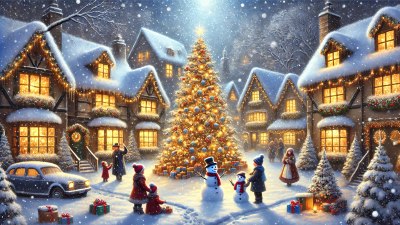
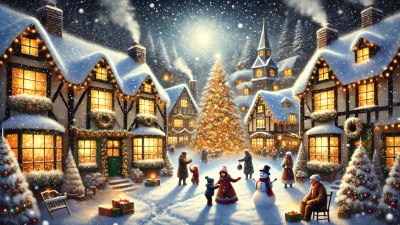
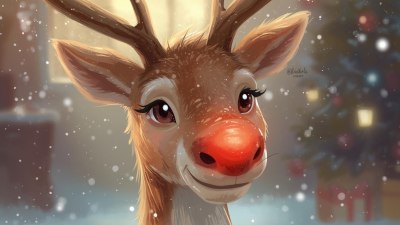
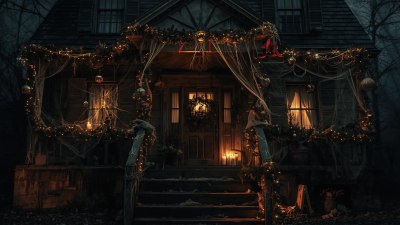
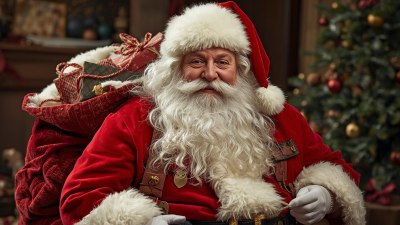
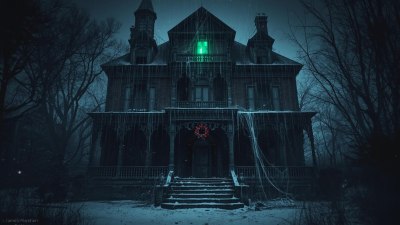
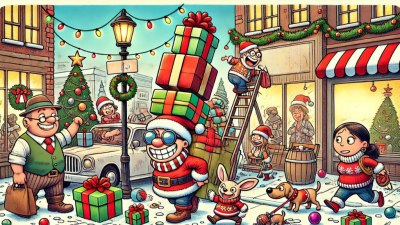
This image was created with the assistance of DALL·E
Christmas may be known for cozy gatherings, sparkling lights, and joyful traditions—but hiding beneath all that cheer are some surprisingly strange superstitions that have survived for centuries.
While many people follow these customs without knowing why, their origins offer a fascinating peek into old folklore, ancient beliefs, and cultural quirks. Here are the weirdest Christmas superstitions people still follow today—and the odd stories behind them.
1. Don’t Take Down Your Christmas Tree Too Early
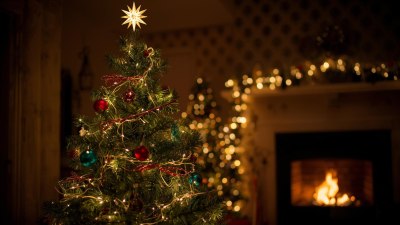
Many families keep their tree up until January 6th, also known as Twelfth Night. While some follow this for sentimental reasons, others believe that taking down the tree too early invites bad luck for the coming year.
This superstition dates back to medieval England, when evergreen decorations were believed to shelter woodland spirits. Removing them too soon was thought to disturb the spirits and disrupt the balance of nature.
- Good luck: Take down decorations on January 6th.
- Bad luck: Remove them before January 1st.
Even today, many people swear by this tradition—just in case.
2. Animals Gain the Ability to Talk at Midnight
One of the most magical Christmas Eve superstitions claims that at the stroke of midnight, animals suddenly gain the gift of speech. This belief appears in European folklore from Scandinavia to the Balkans.
The superstition served two purposes:
- It reminded children to treat animals with kindness.
- It reinforced the idea that Christmas Eve was a time of miracles.
Some farmers still leave extra food in the barn “for the animals to celebrate,” keeping the legend alive in a sweet, if slightly eerie, way.
3. A Spider in Your Christmas Tree Means Good Luck
Most of us would panic if we spotted a spider crawling across our ornaments—but according to Eastern European folklore, finding a spider in your tree is actually very good luck.
This belief ties back to the popular Ukrainian tale of the Christmas Spider, where a poor widow’s tree is magically decorated by spiders spinning shimmering webs. Today, many Ukrainian households hang sparkling spider ornaments to honor the legend.
So maybe rethink that urge to scream next time you see an eight-legged visitor among the branches.
4. Baking Bread on Christmas Eve Predicts the Future
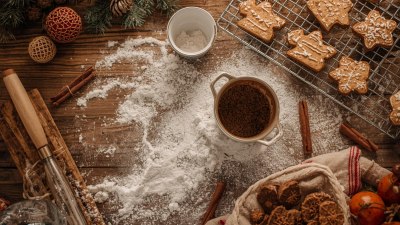
In parts of Ireland and Scotland, people once believed that the success of a Christmas Eve loaf could predict the household’s fortune for the coming year.
If the bread baked evenly and rose beautifully, it meant:
- Good health
- Stable finances
- A lucky year ahead
But if the loaf cracked or burned, the superstition warned of misfortune. While this belief has faded, many families still bake on Christmas Eve—part tradition, part fun, and maybe a tiny bit of old superstition.
5. Opening a Christmas Gift Before December 25th Brings Bad Luck
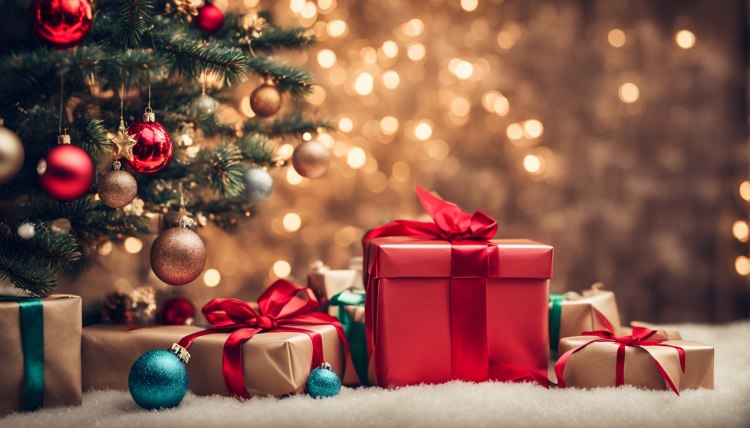
Some households have a strict rule: absolutely no opening presents before Christmas morning. While this might sound like simple parental discipline, it actually comes from an older belief that opening gifts too early invites misfortune.
The superstition stems from the idea that Christmas Eve was once considered a dangerous night when spirits roamed freely. Opening gifts early was thought to attract bad energy or spoil the magic of the day.
So yes, your parents weren't just being mean—it really was “tradition.”
6. Don’t Sweep the Floor on Christmas Day
In parts of Eastern Europe and the American South, sweeping the floor on Christmas Day is considered a huge no-no. According to superstition, sweeping on December 25th could:
- Brush good luck out the door
- Disrespect holiday spirits
- Invite bad fortune for the New Year
Conveniently, this superstition also gives everyone an excellent excuse to skip chores for a day. Holiday magic, indeed.
7. Light a Candle to Guide Lost Spirits
In Ireland and several other countries, lighting a candle in the window on Christmas Eve is more than just decoration. Traditionally, it was believed to guide wandering spirits—or even the Holy Family—toward warmth and shelter.
In some regions, the candle symbolized hospitality, protection, and blessings for the year ahead. Today, households still continue this gentle tradition as a symbol of hope and welcoming.
8. The First Footer: Who Enters Your Home First Matters
This superstition comes from Scotland’s Hogmanay but is often tied into Christmas visits as well. The “first footer” is the first person to step through your door after midnight on Christmas or New Year’s.
According to the belief, the best possible first visitor is:
- A dark-haired man
- Carrying gifts like coal, bread, or whisky
This combination was thought to bring prosperity and protection. Today, some families still jokingly arrange their “first footer” to guarantee good vibes.
9. Eating Mince Pies for Good Luck
In England, there's a fun superstition that eating at least one mince pie on each of the 12 days of Christmas guarantees good luck for the entire year.
Some versions even say you must eat them in silence to get the full benefit. While the silent part has mostly been abandoned, the tradition of enjoying mince pies throughout the season is still going strong.
10. Burning the Yule Log Keeps Evil Spirits Away
The Yule log tradition dates back to pre-Christian Norse rituals, when families burned a massive log for protection and warmth during the darkest days of winter. According to superstition, the log had to burn continuously—letting it go out early was considered a bad omen.
Today, while most people don’t have a literal giant log smoldering in the hearth, the symbolism lives on through smaller logs, chocolate “bûche de Noël” desserts, or even Yule-log videos on TV.
Final Thoughts: The Magic (and Weirdness) of Christmas Superstitions
Whether you believe in these traditions or follow them just for fun, Christmas superstitions add a quirky layer of history to the holiday season. They remind us that people have always sought ways to bring luck, joy, and a little magic into their winter celebrations.
So the next time you hesitate to open a present early or leave your tree up a little longer, remember—you’re keeping centuries of unusual holiday folklore alive.
Enjoyed This Article?
If you love exploring quirky traditions and holiday history, check out our related articles and share this one with a friend who appreciates weird Christmas facts!
🎄 Find more Christmas quizzes, games, and holiday magic right here!