Why Do We Hang Stockings? The Strange History Behind Christmas Traditions
Discover the surprising origins of hanging Christmas stockings and explore the strange history behind other beloved holiday traditions

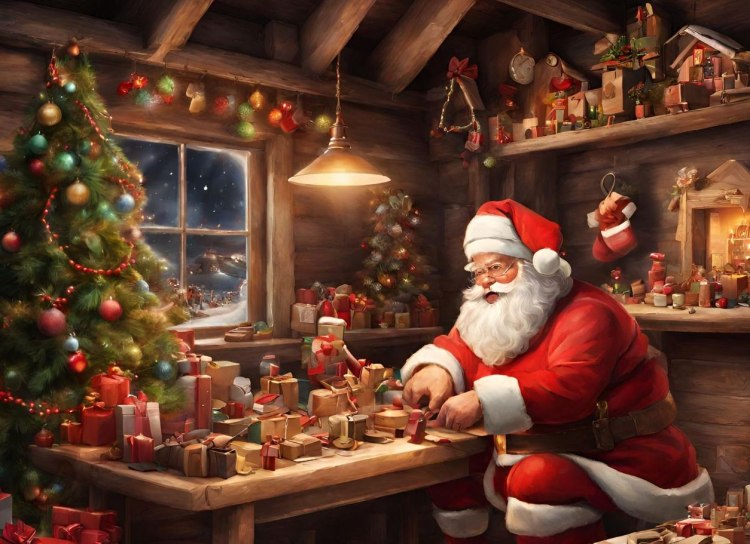
Photo via Canva.com/AI Generated Image
We hang them by the fireplace, stuff them with candy and tiny gifts, and treat them as essential holiday décor—but where did the Christmas stocking tradition actually come from? The origin story is stranger, older, and more heartwarming than most people expect.
And stockings aren’t the only quirky tradition with surprising roots. From fruitcake to mistletoe, many beloved Christmas customs have histories filled with folklore, superstition, and centuries of cultural blending.
Let’s unravel the fascinating tale behind stockings—and a few other traditions that might make you look at your holiday décor a little differently.
The Stocking Origin: A Tale of Gold Coins and a Secret Gift
The most widely told origin of Christmas stockings goes back to the legend of St. Nicholas—the generous bishop who inspired Santa Claus.
According to the story, a poor widowed father had three daughters but couldn’t afford dowries for their marriages. Hearing of the family’s hardship, St. Nicholas visited by night and secretly dropped bags of gold down their chimney.
The gold landed in the girls’ stockings, which had been hung by the fireplace to dry.
This story became so popular across Europe that children began hanging their own stockings in hopes that St. Nicholas (or later, Santa) would fill them with treats. Whether the tale is literal or symbolic, it sparked a tradition that’s now central to Christmas celebrations worldwide.
Why Stockings Are Hung by the Fireplace
Before central heating, fireplaces were the warmest spot in the home—and the most logical place to dry wet clothing. Stockings hung on mantels became an everyday sight.
Because the stocking legend involved gold “falling” into socks by the fireplace, the location became a key part of the tradition. Over time, the fireplace mantle turned into a holiday centerpiece decorated with stockings, garlands, and lights.
Why We Fill Stockings With Small Gifts
The gold coin from the original legend evolved into smaller treats through the years. Today, stocking stuffers often include:
- Candy and chocolate
- Fruit (especially oranges)
- Small toys or trinkets
- Little practical items
The tradition of placing oranges at the bottom of stockings is believed to represent the gold St. Nicholas gave—oranges being precious and exotic centuries ago.
The Shift From Shoes to Stockings
In many European countries, children originally left shoes out instead of stockings. Countries like the Netherlands, Germany, and Belgium still maintain this tradition on St. Nicholas Day (December 5th or 6th).
As the Santa Claus story morphed and moved to new cultures, shoes turned into stockings—largely because they hung easily and offered more space for treats.
Other Strange Christmas Traditions With Surprising Histories
Stockings may have started with an old legend, but they’re far from the strangest holiday custom. Here are a few more traditions with unexpected origins.
Why We Kiss Under Mistletoe
Mistletoe was considered a sacred, magical plant by ancient Druids and Norse cultures. Its evergreen nature symbolized life during winter. The kissing tradition comes from Norse mythology, where mistletoe was associated with love and peace.
By the 1700s, English households embraced it as a festive decoration—and a chance for a sneaky holiday kiss.
The Bizarre Origin of Christmas Crackers
Those loud, gift-filled paper tubes popular in the UK were invented in the 1840s by a London confectioner who wanted to spice up his product demonstrations.
Inspired by the crackle of logs in a fireplace, he added a small explosive “snap” to his candy wrappers. Over time, the candy turned into small trinkets, jokes, and paper crowns—creating the classic Christmas cracker.
Why We Leave Cookies for Santa
This tradition gained popularity during the Great Depression as a way to teach children gratitude and generosity—even during hard times.
Much earlier versions stem from Norse mythology, where kids left food for Odin’s horse, hoping for good luck. The custom merged with Santa folklore and eventually became the cookie-and-milk ritual we know today.
The Strange Story of Fruitcake
Fruitcake’s odd reputation comes from its longevity. The dish originated as a way to preserve fruit and nuts for winter using sugar and alcohol. Properly stored fruitcakes can last for months—or even years.
In Victorian times, fruitcake was a symbol of wealth due to its expensive ingredients. Today, it’s more of a love-it-or-hate-it holiday classic.
Why We Decorate With Evergreen Trees
Long before Christianity, ancient cultures used evergreen branches as symbols of life and protection during winter solstice celebrations. Germans were among the first to bring entire evergreen trees indoors and decorate them.
The modern Christmas tree spread across Europe and became wildly popular in the U.S. after Queen Victoria and Prince Albert displayed one in a famous 1840s illustration.
Traditions With Tales Hidden Inside Them
Stockings, mistletoe, crackers, trees—so many Christmas traditions carry centuries of history, folklore, and evolution. What seems like simple décor or routine holiday behavior often traces back to superstition, necessity, or stories passed down through generations.
The next time you hang your stocking or fill someone else’s, you’ll know you’re taking part in a tradition with roots deeper (and stranger) than it appears.
🎄 Find more Christmas quizzes, games, and holiday magic right here!